



By Nikki Dishneau, Founder of All Avenue Real Estate | eXp Realty
I’m Nikki Dishneau, and if you own a home in Colorado or you’re about to buy one, you need to understand radon. Colorado has one of the highest radon prevalence rates in the country. The EPA classifies most of the state as Zone 1, the highest risk zone.
This isn’t a scare tactic. It’s information. Radon is a real health issue, mitigation is inexpensive and effective, and every Colorado homeowner should understand the basics.
What radon is
Radon is a colorless, odorless, radioactive gas that naturally occurs in soil. It comes from the decay of uranium in rocks and dirt beneath your home. It seeps into buildings through cracks in foundations, gaps around pipes, sump pump pits, and other openings.
In outdoor air, radon dissipates. Indoors, it accumulates. Long term exposure to elevated indoor radon is a significant lung cancer risk, second only to smoking.
The Colorado picture
The EPA measures radon in picocuries per liter (pCi/L). The action level is 4.0 pCi/L. In Colorado:
- Roughly half of Colorado homes tested have radon levels above 4.0 pCi/L.
- Northern Colorado is high risk. Larimer and Weld counties both have significant portions above action level.
- Even newer homes can have radon issues. New construction is not a guarantee.
- Basement finished space is the most common problem area.
- Testing is the only way to know. You can’t smell, see, or feel radon.
How to test
Two main options:
Short term test (48+ hours). Small device left in the lowest lived in level of the home. Most common during real estate transactions. Cheap ($15 to $30 for DIY kit, $150 to $300 for professional).
Long term test (90+ days). More accurate because radon levels vary. Recommended if you don’t have an urgent decision to make.
For an accurate real estate transaction test, use a professional. DIY tests are useful for reassurance between transactions.
What the results mean
- Under 2.0 pCi/L: Low. No action typically needed.
- 2.0 to 4.0 pCi/L: EPA suggests considering mitigation, but not required. Some homeowners install anyway for peace of mind.
- Above 4.0 pCi/L: EPA action level. Mitigation recommended.
- Above 10 pCi/L: Elevated. Mitigation strongly recommended.
- Very high readings occasionally occur (30+ pCi/L). Mitigate promptly.
How mitigation works
A radon mitigation system is simpler than most homeowners expect. It’s essentially a pipe that runs from below your foundation, up through the wall, out the roof, with a fan that continuously pulls air from below the slab and vents it outside. This lowers the pressure under the home so radon doesn’t seep in.
Installation takes half a day. The Colorado Department of Public Health and Environment estimates a typical system costs about $1,000 to $3,000 for most homes (Larimer County). The fan runs continuously and uses minimal electricity.
After installation, retest to confirm levels have dropped. Most systems reduce radon by 90%+ and get homes well below 2.0 pCi/L.
The real estate transaction reality
Radon is one of the most negotiated items in Colorado home purchases. Standard scenarios:
- Buyer tests, results above 4.0. Buyer typically asks seller to install mitigation before closing, or credit the cost.
- Seller had a system installed years ago. Buyer should still test to confirm it’s working.
- Seller had a system installed but the fan died. Common. Sellers should test their own system before listing.
- Seller resists testing. Increasingly rare. Some sellers test ahead of time and mitigate before listing to avoid negotiations.
A tip for sellers before you list
If you’re selling a Colorado home, testing and mitigating before you list is one of the best small investments you can make. Reasons:
- You control the price. You can get bids and choose your installer on your own timeline, instead of negotiating it under deadline pressure at closing.
- You avoid transaction delays.
- You control the installer and quality.
- You disclose confidently: "mitigated to below 2.0."
Choosing an installer
In Colorado, radon mitigation professionals are certified through the Colorado Department of Regulatory Agencies, also known as DORA (Larimer County). Look for a certified installer. Ask for:
- Certification credentials.
- Warranty on the system (5+ years is common).
- A test after installation is included.
- Written estimate.
- References.
Maintaining the system
Mitigation systems require minimal upkeep:
- Check the manometer (the U shaped tube gauge) monthly. If it’s balanced, the fan has stopped working.
- Retest every 2 years or after any major renovation.
- Fan lifespan is 5 to 10 years. Replacement runs $200 to $400.
The unfinished basement question
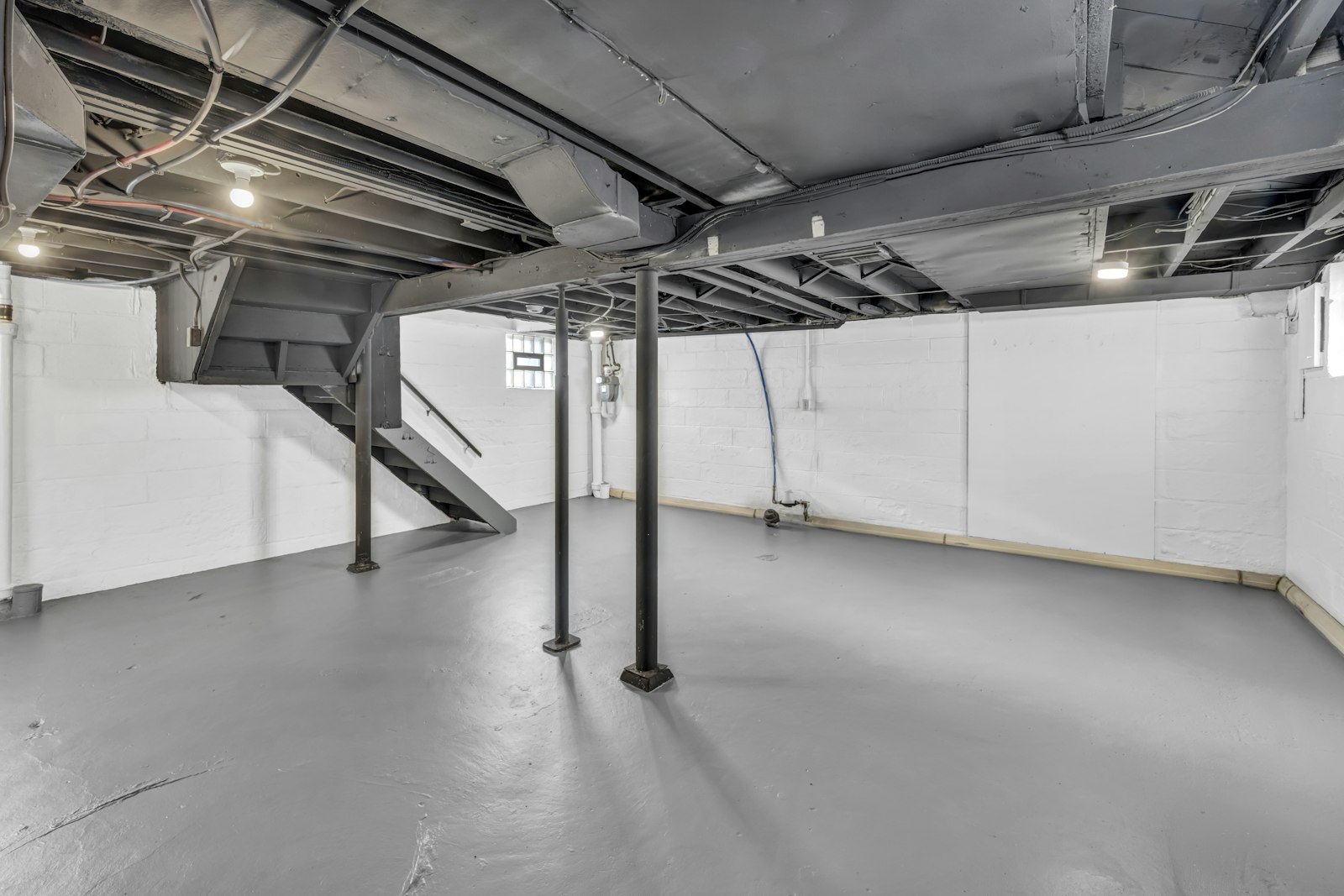
If you’re finishing a basement in Colorado, test for radon before AND after. Finishing changes airflow and can raise radon levels. Better to know and mitigate than to discover later.
How I’d want a homeowner to feel
Not alarmed, but informed. Aware that radon is a legitimate concern in Colorado, that testing is cheap, and that mitigation is inexpensive and effective. This is one of the least scary things on the homeownership checklist once you understand it.
If you’re buying, selling, or just want to know your home’s radon status, I’m happy to walk through your options. Every one of my clients gets this conversation.
Ask me about radon in your home →
About the author: Nikki Dishneau is the founder of All Avenue Real Estate, brokered by eXp Realty. She is licensed in Colorado and Wyoming, has 13 years in real estate, and brings a background in home construction and title to every client. Meet Nikki: https://allavenue.luxury/nikki-dishneau/