


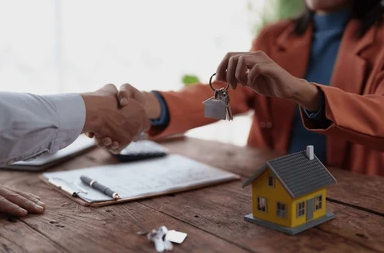
Closing day arrives with a strange mix of feelings. Relief that you're at the end of a long process. Nerves that something might still go wrong. A small awe that something this big can happen at a conference room table in 90 minutes.
I've sat at hundreds of closings. Here's what actually happens, what to bring, and how to make the day feel calm.
The week before closing
The work that makes closing easy happens in the days before:
- Final walkthrough. Usually scheduled 24–48 hours before closing. We walk the home one last time to confirm it's in the condition agreed to and that any seller-required repairs have been completed.
- Wire instructions. Your title company will send you wire instructions for any closing funds. Verify these by phone with the title company, every time. Wire fraud is real and devastating.
- Final lender confirmation. Your loan documents are finalized. The lender confirms with the title company the day or two before.
- Insurance binder. Your homeowners insurance must be in place before closing. Confirm with your insurance agent.
- Closing time and location. Confirm the day before. Plan to arrive 15 minutes early.
What to bring
Most buyers overpack for closing. The actual list:
- Government-issued photo ID. Driver's license or passport. Required.
- Any closing funds. Typically wired ahead of time. If a cashier's check is needed, your title company will have told you the exact amount.
- A pen. They'll have plenty. But yours feels nicer.
- Patience. You'll sign a lot of paperwork.
That's really it. Buyers sometimes bring stacks of documents — most aren't needed at the table.
What actually happens at the table
Closing in Colorado is usually held at a title company. You'll sit at a conference table with the closer, your Realtor (often), the seller or seller's Realtor (sometimes), and possibly a notary.
The closer will walk you through every document. Most fall into a few categories:
- The deed. Transferring ownership.
- The loan documents (if financing). Promissory note, deed of trust, disclosures.
- Title insurance. Protecting you against future claims on the title.
- Closing statement. A line-item summary of every dollar at closing — purchase price, lender fees, prorated taxes, escrow setups, credits, payouts.
- Various disclosures. State and federal.
You'll sign each one. The closer will explain. Ask questions any time something doesn't make sense. Good closers expect questions. Bad ones rush you. If you feel rushed, slow it down.
How long it takes
A typical closing runs 45–90 minutes. Cash closings are on the shorter end. Financed closings with two buyers and full lender paperwork are on the longer end.
If you have a hard time constraint that day, tell us before closing. We'll schedule accordingly.
When the keys actually transfer
In Colorado, possession typically transfers at "funding and recording." The lender funds the loan; the title company records the deed at the county; possession transfers shortly after.
For most weekday morning closings, you'll have keys by mid- to late afternoon. For closings later in the day, possession may transfer the next morning.
Your Realtor will coordinate the key handoff. Sometimes it's keys in hand at the closing table. Sometimes it's a meet-up at the home that afternoon. Sometimes the seller leaves keys in a lockbox we open together.
What can go wrong
Most closings happen exactly as planned. When they don't, the common issues are last-minute lender issues (a document needs re-signing, a verification was missed, an underwriter pulls a final condition), walkthrough surprises (something was supposed to be repaired but wasn't, or something is missing from the home that should have stayed), and wire timing (funds didn't arrive in time).
A good Realtor and a good title company handle these calmly. Most resolve within hours.
After closing — the first 24 hours
Once you have keys:
- Change the locks. A locksmith is $150–$250 and worth it. Re-keying or replacing all exterior locks gives you immediate peace of mind.
- Set up utilities. Confirm transfers happened. Have a backup plan if anything didn't.
- Walk the home alone. Quietly. This is yours now.
- Sleep there if you can. First-night-in-the-home is a moment worth honoring.
A gentle note on the day itself
Closing day can feel anticlimactic. You sit at a table. You sign. Someone hands you keys. The world doesn't change visibly.
But it does change. You're a homeowner. The address means something now. The Tuesday morning when you wake up in your home for the first time and make coffee in your kitchen — that's when the change lands.
How I'd want you to feel
Calm. Clear. Prepared. Quietly excited. Not overwhelmed.
At All Avenue, my favorite moments of the job are at closing tables. Watching a client become a homeowner, or a seller close a chapter, never gets old.
If you're approaching a closing day and want to talk through what to expect, that conversation is always free.
Schedule a pre-closing walkthrough call →
Check out this article next