


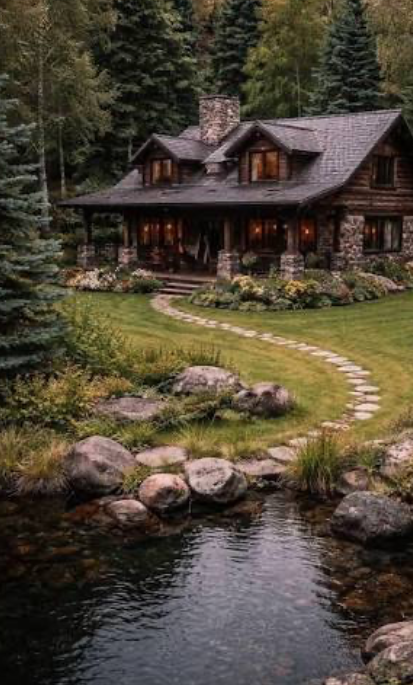
Northern Colorado is one of the rare regions where a real second home — meaning a mountain place you actually use, not a speculative rental — is still within reach. Estes Park and Red Feather Lakes are the two markets I get the most second-home questions about, and they're very different from each other.
Here's an honest guide if you're thinking about a mountain second home in 2026.
Estes Park — gateway-town energy
Estes Park sits at the eastern entrance to Rocky Mountain National Park. It's a real town, year-round, with grocery stores, restaurants, medical facilities, and a brisk tourist economy in summer.
For second-home buyers, Estes offers genuine walkability in the downtown core, a wide range of properties — condos near town, cabins on the river, larger homes up on the hillsides — strong short-term rental demand if you want to offset carrying cost, and easy reach from Fort Collins (90 minutes) and Denver (about 2 hours).
What you trade is privacy. Estes is busy. Summer traffic on the main road can be brutal. Some neighborhoods feel like neighborhoods; some feel like the back of a tourist district.
Pricing: a real Estes Park second home in 2026 starts in the low $400s for a townhome or small cabin and climbs steeply for view properties. A river-adjacent or RMNP-view home with three bedrooms often runs $750K–$1.2M.
Red Feather Lakes — quieter, more remote, more "cabin"
Red Feather Lakes is a different feeling entirely. It's about 50 miles northwest of Fort Collins, up the Poudre and over to the Red Feather Lakes Road. Smaller, quieter, more wooded, and meaningfully more rustic.
For second-home buyers, Red Feather offers real cabin feeling — pine trees, lakes, dark skies — lower price points than Estes for comparable acreage, strong recreation (fishing, paddling, snowshoeing, snowmobiling), and a small but loyal community.
What you trade: amenities and access. Red Feather has limited groceries, limited dining, no major medical, and a longer drive on a road that closes intermittently in winter. Most properties run on well and septic. Power outages happen. Snow is real.
Pricing: cabins in Red Feather in 2026 can start in the high $300s for a basic seasonal A-frame and reach $700K–$900K for a year-round home with lake access or strong views.
The two questions that should drive your choice
How will you actually use it? A weekend getaway 6–8 times a year suggests Estes; a weeks-at-a-time deeper escape suggests Red Feather.
Do you want to short-term rent it? Estes has stronger STR demand and clearer regulatory environment. Red Feather is harder to rent profitably.
If you can't answer those two questions yet, you're not ready to buy.
What to verify on any mountain second home
Mountain properties have a longer due-diligence checklist than Front Range homes:
- Well and septic. Capacity, condition, age.
- Wildfire insurance. This is the limiting factor in many mountain areas in 2026. Get real insurance quotes before you write an offer.
- Defensible space. What's the brush situation around the home? Has fuel reduction been done?
- Snow load and roof condition. Mountain homes need stronger roofs and more frequent maintenance.
- Year-round access. Is the road maintained in winter? Plowed by the county or by a private association?
- Internet and cell. If you're working from this home occasionally, verify actual connectivity (not advertised).
- HOA covenants. Especially around STR, RVs, and outbuildings.
- Bear safety. Trash storage requirements, attractant rules, neighborhood norms.
The carrying-cost reality
A second home is more expensive to own than buyers expect. Beyond the mortgage: property tax, insurance (now significantly higher in fire-risk zones), HOA dues if applicable, utilities running year-round even when you're not there, maintenance (mountain homes need more, not less), and property management if you're far away.
Budget 15–25% of purchase price annually as a realistic total carrying cost for a fully managed mountain home. If you self-manage and use it heavily, that can come down.
Financing
Second-home financing is structurally similar to primary-home financing but typically requires 10–20% down, a higher rate (50–75 bp premium), and income documentation that shows you can carry both homes without rental income.
If you plan to rent the home, "investment property" loans are a different category with higher down payments (often 25%+) and higher rates.
The honest emotional reality
A mountain second home is one of the most rewarding purchases you can make if you actually use it. It's one of the most expensive frustrations you can own if you don't.
The buyers I see thrive with second homes built it into their actual weekly or monthly routine, set a minimum-use threshold before they bought, chose location based on real travel-time tolerance (not aspiration), and treated it as a place to live in, not a place to brag about.
Starting your mountain home search
If a mountain second home is in your plans, we should talk before you tour. Choosing between Estes, Red Feather, Glen Haven, Allenspark, and the other NoCo mountain options is much easier with a real conversation about your use case.
At All Avenue, we love these searches. They're often the most personal homes we help our clients buy.
· Start your mountain home conversation →
Check out this article next