



By Nikki Dishneau, Founder of All Avenue Real Estate | eXp Realty
I’m Nikki Dishneau, and I can tell you that every Northern Colorado homeowner eventually has a plant crisis. A tree that died. A bed that needs a redesign. A xeriscape conversion that’s overwhelming. And every homeowner asks the same question: “Where do I actually go?”
Here’s the honest guide to nurseries and landscape design in our region. It’s not a list of every option. It’s a walkthrough of how I think about the categories and what to look for.
Big box vs. local nursery: when each wins
Home Depot and Lowe’s are fine for many purchases. Bags of mulch. Bulk soil. Basic tools. Common annuals for a summer planter.
But local nurseries beat big box on almost everything else in Northern Colorado:
- Plant selection specific to our climate. Big box plants often come from out of state and struggle here. Local nursery plants are chosen for altitude, water, and hardiness zones.
- Expertise. Ask a big box employee “what’s the best hardy perennial for a shady spot in Fort Collins that gets deer pressure?” and see what happens. Then ask the same at a good local nursery.
- Warranty. Most local nurseries guarantee their plants for a year. Big box does not.
- Native and drought tolerant options. Wider selection at local nurseries.
- Larger, more mature specimens for buyers who don’t want to wait five years.
What to look for in a local nursery
- Wide selection of Colorado natives (not just imports).
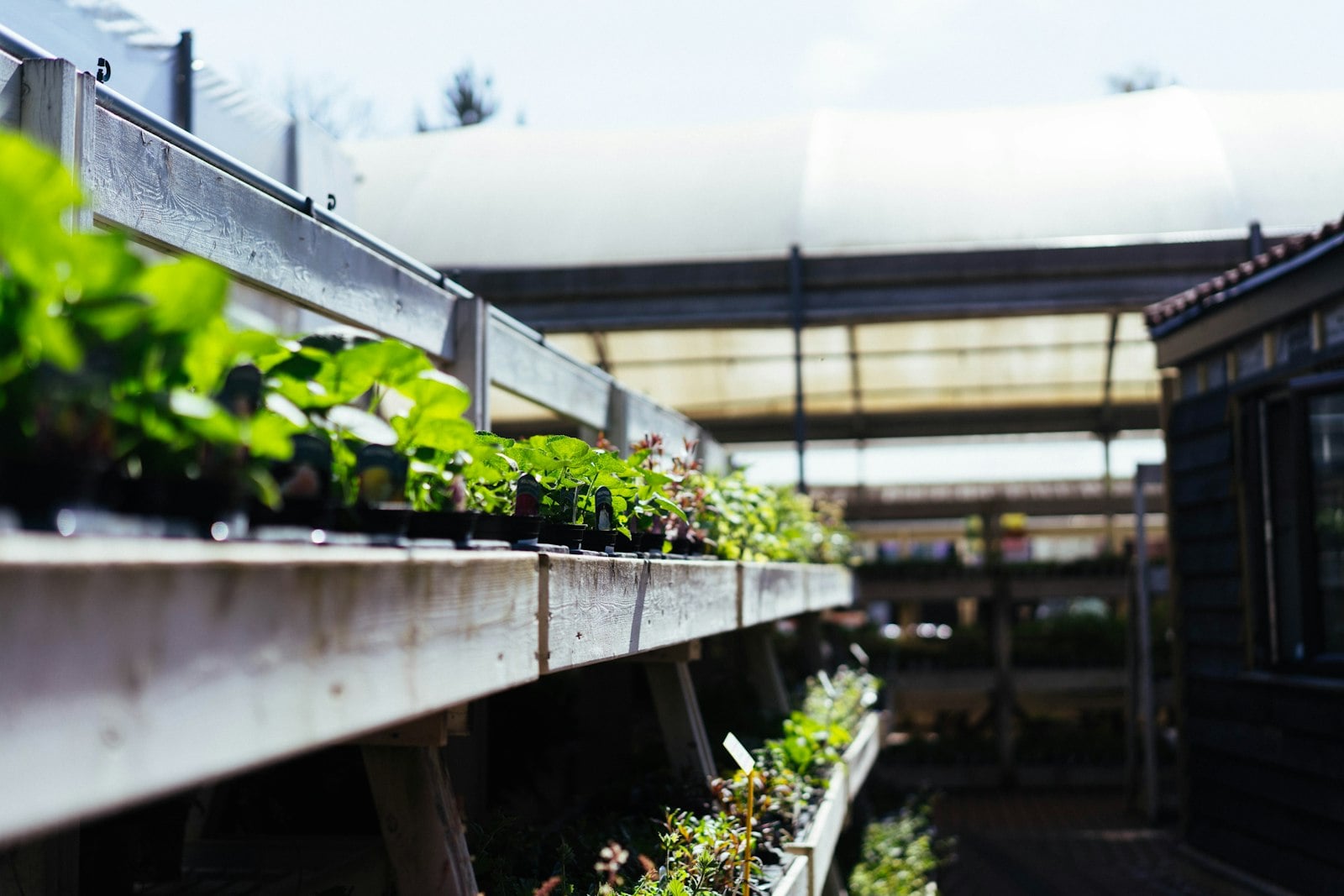
- Well maintained stock (look at how the plants are watered and displayed).
- Knowledgeable staff willing to have a real conversation.
- Clear plant labeling including water needs, sun exposure, mature size, and hardiness zone.
- Warranty policies you can actually read.
- A good tree selection. Small trees in cheap pots aren’t the same as a properly grown 2 inch caliper tree.
- Bulk soil, mulch, and compost delivered locally.
The categories every homeowner needs
Beyond a general nursery, the specialty resources worth knowing:
- A tree specialist. For large tree planting, transplanting, and issues with mature trees. Arborists are different from general landscapers.
- A sod farm. If you’re replacing lawn, buying sod locally beats big box on quality and price.
- A stone yard. For flagstone, boulders, gravel, and hardscape materials.
- Bulk soil delivery. For raised beds, planting projects, and topsoil needs.
- A xeriscape specialist. Some designers focus specifically on water wise design.
When to hire a landscape designer
Hiring a designer vs. doing it yourself is a real question. Landscape design help makes sense when:
- You’re starting from scratch on a new build or full yard redo.
- You want a xeriscape conversion that actually looks good.
- You have a challenging site (slope, drainage, unusual light, small lot).
- You’re investing meaningful money ($15,000+) and want to avoid mistakes.
- Resale is on your mind in the next 3 to 5 years.
For a simple perennial bed refresh, a designer is overkill. For a whole yard redesign, a designer is a bargain relative to the cost of getting it wrong.
What a designer does
Typical process for a residential landscape designer:
- Site visit and consultation.
- Discussion of budget, goals, aesthetic preferences, maintenance tolerance.
- Design plan with plant list, hardscape layout, and irrigation notes.
- Optional: contractor coordination and project management.
- A follow up visit after installation.
Design fees range from $500 to $5,000+ depending on scope. Full landscape architect work on a large property can go higher.
What to look for in a designer
- Portfolio in Northern Colorado. Denver designers don’t automatically understand our climate.
- Real photos of finished projects, ideally 2 to 5 years after installation so you see how they mature.
- References you can call. Not just testimonials. Real names.
- Plant knowledge. Ask them to justify five specific plant choices. Their answers tell you a lot.
- Understanding of local water sources and irrigation.
- Clear on their role. Are they designing? Managing installation? Consulting only?
Landscape contractors vs. designers
Not the same thing. A designer creates the plan. A contractor executes it. Some businesses do both, some specialize. For larger projects, using different professionals for design and installation can produce better results, because the designer isn’t incentivized to spec what the contractor already has in stock.
The seasonal reality
Best time to plant in Northern Colorado: fall (September through the middle of October) for most trees and perennials. Second best: spring (April and May). Summer planting is possible but requires more water and stress.
Best time to hire a designer: late fall or winter. They’re less busy, and you can have plans ready for spring installation.
The state and university resources
Colorado State University Extension has excellent free resources: plant lists, watering guides, disease and pest identification. If you’d rather DIY, start there before spending money at any nursery.
The CSU Master Gardener program can also help with specific questions.
My honest offer
I keep a short list of nurseries and designers I refer clients to for specific project types. Different specialists for xeriscape, mature tree work, whole yard design, and simple maintenance. If you’d like a referral matched to what you’re trying to do, ask.
Ask me for a landscape referral →
About the author: Nikki Dishneau is the founder of All Avenue Real Estate, brokered by eXp Realty. She is licensed in Colorado and Wyoming, has 13 years in real estate, and brings a background in home construction and title to every client. Meet Nikki: https://allavenue.luxury/nikki-dishneau/