



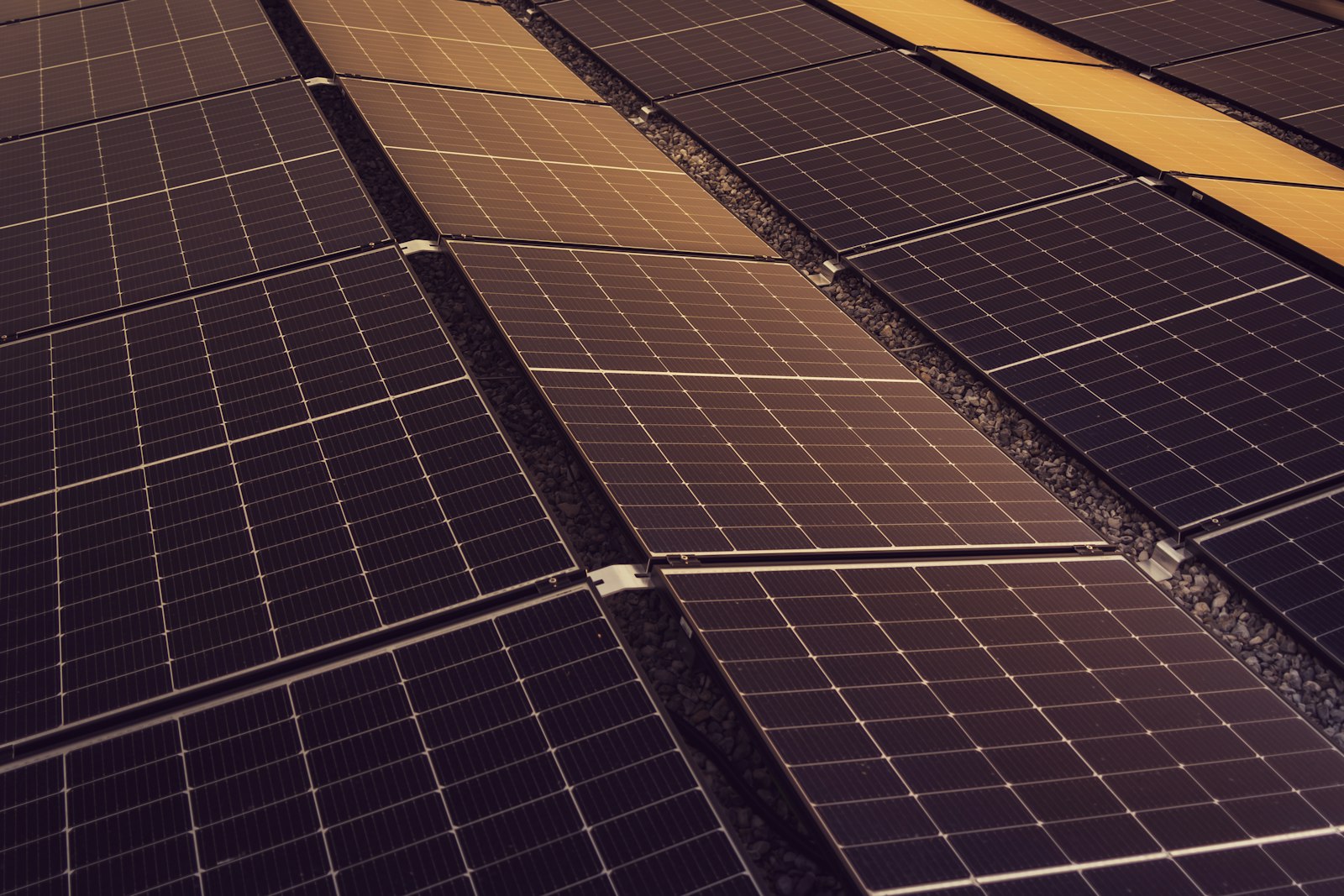
Solar in Colorado in 2026 is meaningfully different from solar in 2015. The economics have shifted. Federal incentives have shifted. Utility policies have shifted. And the impact on resale value has shifted.
Here’s the honest primer for Colorado homeowners considering solar in 2026.
The math has changed
For years, solar in Colorado was a decent-but-not-amazing financial move. In 2026, in most Northern Colorado situations, it’s a reasonably strong one — for the right home.
The big drivers:
- Panel prices have fallen. Hardware costs less than half what it did a decade ago.
- Installation costs have flattened. Labor and permits are the growing share.
- Federal tax credit (30%) still active. Meaningful.
- Utility net metering rules vary by provider and continue to evolve.
- Colorado state incentives exist but change frequently.
What a typical 2026 install looks like
For an average 2,500 sq ft Northern Colorado home with typical electric use, a rooftop solar system is usually 6–10 kilowatts. In 2026 pricing, that’s roughly:
- Gross cost: $18,000–$28,000.
- After 30% federal tax credit: $12,600–$19,600.
- Annual electric bill offset: $1,000–$2,000 depending on system size and use.
- Payback period: 8–14 years typical.
- System life: 25+ years.
Home orientation, roof condition, and shade all affect these numbers meaningfully.
Prerequisites — check these first
- Roof condition. If your roof needs replacement in the next 5 years, do it before solar. Removing and reinstalling panels adds $3,000–$5,000 to a roof replacement.
- Roof orientation. South-facing is best. West-facing is good. East is okay. North-facing rarely worth it.
- Shade. Trees, chimneys, dormers. Shade on even one panel meaningfully reduces production.
- Panel age. Newer roofs with 20+ years of life ahead work best.
- Utility. Different utilities in Northern Colorado have different net metering programs. Xcel, Poudre Valley REA, City of Fort Collins Utilities — all different.
- HOA rules. Colorado law prevents outright bans, but HOAs can impose reasonable aesthetic requirements. Get their sign-off before you sign.
Buy vs. lease vs. PPA
Three ways to finance solar:
Buy outright (cash). Highest return. Simplest ownership. Best for resale. If you can afford it, this wins.
Buy with financing (loan). Similar economics to buying, spread over a loan. Watch loan terms; some solar loans have terrible rates hidden behind low monthly payments.
Lease or PPA (power purchase agreement). No upfront cost, but you don’t own the panels. Complicates resale meaningfully. I’d generally avoid unless the specific deal is exceptional.
The resale problem with leases and PPAs: the new buyer has to assume the lease or the seller has to buy it out at closing. It’s a hassle either way.
The resale value question
Do solar panels add resale value? The honest 2026 answer for Northern Colorado:
- Owned systems: Modest positive impact on value. Not full replacement cost, but real.
- Well-designed installations that don’t dominate the front roof: More positive.
- Leased systems: Often neutral to slightly negative because of the lease transfer complication.
- Aged systems near end of life: Neutral or negative — new buyers see it as future replacement cost.
Solar rarely subtracts value in NoCo in 2026. But it doesn’t always add as much as the sales pitch promised, either.
The insurance angle
Adding solar affects your homeowners insurance. Some carriers are fine; some require the panels be added to the policy at additional cost. Get an insurance quote before you sign.
For hail-prone areas (much of Northern Colorado), verify how your insurance handles solar panel hail damage. This has been a growing issue.
Choosing an installer
The single most important decision. A great installer with good panels beats a great panel with a bad installer every time.
Look for:
- Colorado-based, not national. Local accountability matters.
- In business at least 5 years. The industry has had many exits.
- NABCEP-certified installers. Industry credential.
- Strong warranty (10+ years workmanship).
- Willing to explain the design. If they can’t explain why your specific system is sized as proposed, walk away.
- Not pushing lease/PPA if you can afford to buy.
Red flags
- Door-to-door solar sales. Almost always overpriced.
- "Zero cost" or "free solar" pitches. Read the fine print — usually a lease or PPA.
- Pressure to sign today.
- Unwillingness to provide multiple system size options.
- Vague on warranty details.
Battery storage
Whether to add battery storage is a separate question. Batteries add meaningful cost ($10,000–$20,000+) and provide backup power during outages and better economics with time-of-use utility rates. For most Northern Colorado homeowners in 2026, batteries are a lifestyle upgrade, not a pure financial one.
How I’d want you to feel
Clear that solar can be a good move, but only for the right home, with the right installer, at the right economics. Not a universal yes. Not a scam either.
If you’re evaluating solar and want a Realtor’s honest read on the resale implications for your specific home, I’m happy to help.