



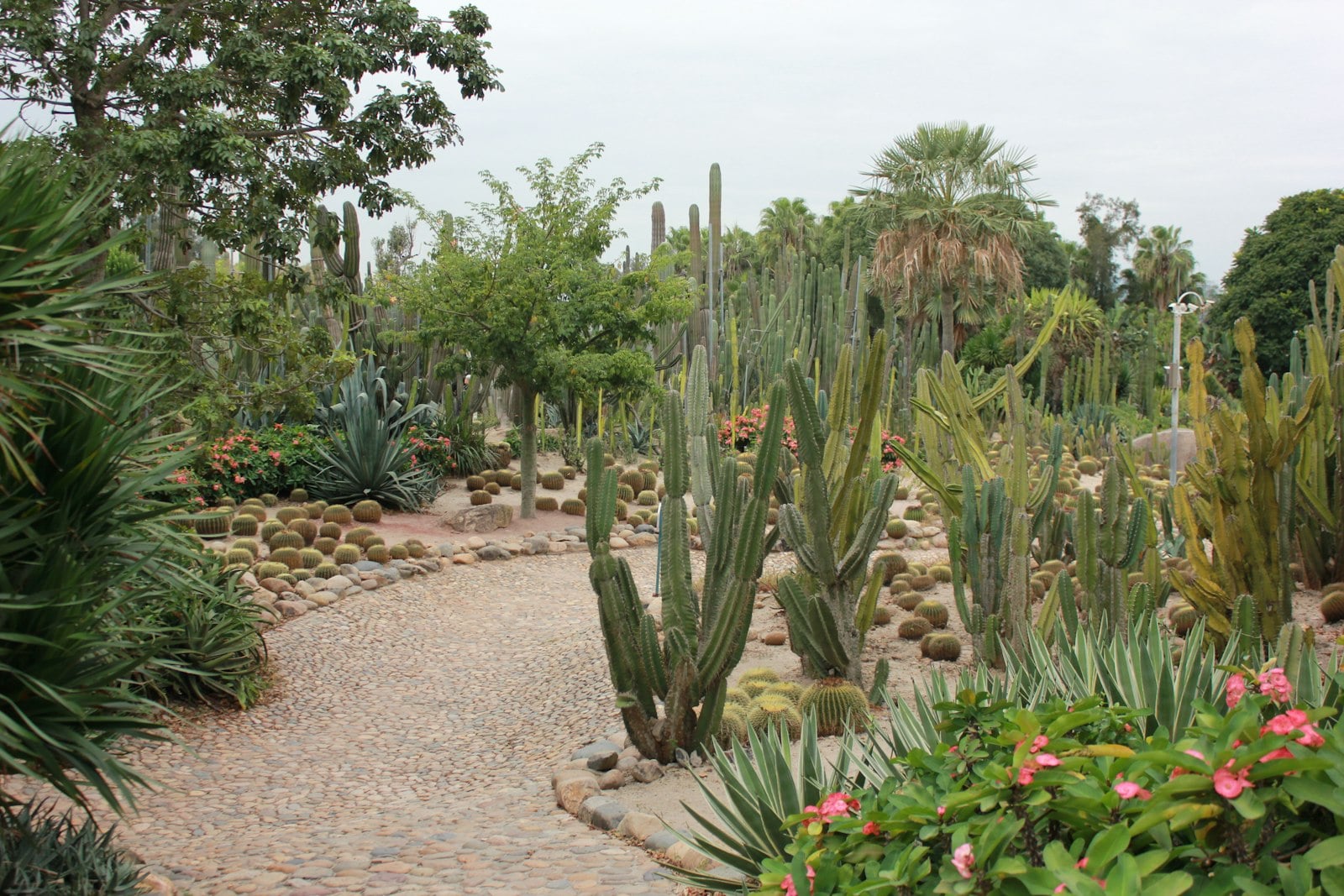
A decade ago, a xeriscape yard in Northern Colorado meant dirt and rocks with three sad plants. Buyers walked past it. Today, xeriscape is a legitimate landscaping category — sophisticated, beautiful, water-wise — and in the right neighborhoods, it can add to resale value instead of subtracting.
Here’s the homeowner’s guide.
What xeriscape actually means
Xeriscape isn’t "no water" — it’s "low water." It’s a design philosophy that uses drought-tolerant plants, efficient irrigation, and thoughtful layout to create a beautiful yard that uses 50–75% less water than a traditional lawn.
The seven principles: planning and design, soil improvement, efficient irrigation, plant selection appropriate to Colorado, mulch, turf reduction, and maintenance.
Why now
- Water costs are rising. Northern Colorado water rates have climbed steadily. A xeriscape saves real money over 10 years.
- Water restrictions are more common. Summer restrictions are increasingly the norm in Fort Collins, Loveland, and Greeley. A xeriscape is restriction-proof.
- Buyers value it now. In 2015, a buyer might have discounted a xeriscape home. In 2026, sophisticated buyers see it as an asset.
- Municipal rebates. Cities across Northern Colorado offer real cash rebates for lawn conversion. Fort Collins and Loveland both have generous programs.
- Climate resilience. Shorter summers, drier springs, more variable weather — traditional lawns increasingly struggle.
Plants that thrive in NoCo xeriscapes
Plants I see used consistently well in Northern Colorado xeriscapes:
- Native grasses: blue grama, buffalo grass, little bluestem — beautiful, tough, low water.
- Perennials: blanket flower, penstemon, purple coneflower, agastache, prairie sage, yarrow.
- Shrubs: rabbitbrush, mountain mahogany, three-leaf sumac, Apache plume.
- Trees: hackberry, Bur oak, ponderosa pine (for larger lots).
- Ground covers: creeping thyme, ice plant, sedum varieties.
Plants I’d avoid: anything that looks lush in Michigan but wilts by July here. The classic mistake.
Design principles
- Group plants by water needs. Higher-water plants near the house, lower-water at the edges.
- Use hardscape strategically. Flagstone paths, dry riverbeds, boulders — they anchor the design.
- Layer heights. Ground covers, mid-height perennials, taller grasses, occasional shrubs.
- Plan for four-season interest. What does the yard look like in February? Include structure and color that persists.
- Leave room to walk. A great xeriscape has paths and moments to sit, not just plants.
Common mistakes
- All rock, no plants. Reads as neglect, not design. And it heats up.
- Wrong mulch. Wood mulch in Colorado breaks down and blows away. Rock, gravel, or a designed mix works better.
- Overplanting. New plants look sparse. Trust the spacing on plant tags. In three years, it fills in.
- Underplanning irrigation. Drip lines to each plant, on a smart controller, saves headaches later.
- Ignoring the front-yard-first rule. If you only convert one area, do the front. It matters for value and neighbor perception.
The cost and the payback
Full front-yard xeriscape conversion runs $5,000–$20,000 depending on size and design complexity. Municipal rebates can offset $1–$5/sq ft. Water savings run several hundred dollars annually depending on lot size and prior lawn area.
Break-even for the water savings alone: 6–10 years. Add in reduced mowing/maintenance and improved property value, and it often pays back sooner.
The resale question
This is what worries homeowners the most: "Will a xeriscape hurt me at resale?"
The honest answer for 2026: a well-designed xeriscape is neutral to slightly positive in most Northern Colorado neighborhoods, and clearly positive in newer subdivisions and among younger buyers. A poorly designed one (rock desert) still hurts value.
So: invest in the design. A good landscape architect for $2,000–$4,000 pays back many times over.
Working with a professional
A landscape designer familiar with Colorado xeriscape is worth the money. Ask for portfolio examples in your neighborhood, get references from clients three years out (so you see how the design matured), and make sure they know municipal rebate programs to help you claim them.
Colorado State University Extension has excellent free xeriscape resources for homeowners who want to DIY.
How I’d want you to think about it
Xeriscape is no longer a compromise. Done well, it’s beautiful, low-maintenance, water-wise, and a real asset. Done poorly, it’s still a yard of rocks. The difference is design and plant selection.
If you’re considering a xeriscape and want a Realtor’s honest read on whether it’ll help or hurt in your specific neighborhood, that’s a five-minute conversation I’d love to have.